About Solana (SOL/USD)
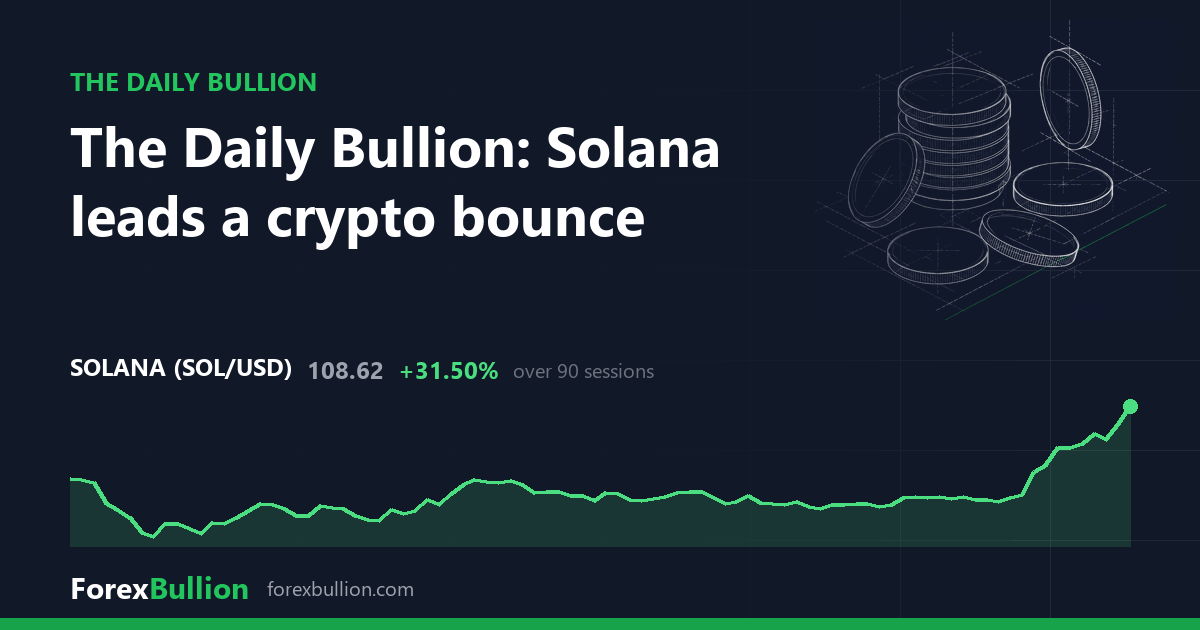
Solana is a high-performance blockchain platform designed for speed and scalability, capable of processing thousands of transactions per second at a fraction of the cost of Ethereum. Launched in March 2020 by Anatoly Yakovenko, a former Qualcomm engineer, Solana uses a unique proof-of-history (PoH) consensus mechanism combined with proof-of-stake, enabling theoretical throughput of over 65,000 transactions per second. This performance advantage has made Solana a leading platform for DeFi applications, NFT marketplaces, gaming, and decentralized physical infrastructure networks (DePIN). SOL/USD represents the price of one SOL token in US dollars. Despite a severe drawdown during the 2022 crypto winter (exacerbated by the collapse of FTX, a major Solana ecosystem supporter), Solana staged a remarkable recovery driven by ecosystem growth, meme coin activity, and increasing institutional interest.
What Moves Solana?
Ecosystem Growth and On-Chain Activity
Solana’s value is closely tied to the growth and activity of its ecosystem. Daily active addresses, transaction volumes, TVL in Solana DeFi protocols, NFT trading volumes, and developer activity are key on-chain metrics. Ecosystem milestones, new project launches, and the success of Solana-native applications drive demand for SOL tokens (needed for transaction fees and staking).
Network Reliability and Technical Performance
Solana has experienced several notable network outages that temporarily impacted user confidence and SOL prices. Network stability improvements, successful upgrades (like the Firedancer validator client), and periods of high throughput without issues help restore and build confidence. Technical developments that improve reliability and decentralization are positive catalysts.
Broader Crypto Market Cycles
SOL maintains a strong correlation with Bitcoin and Ethereum, with higher beta characteristics. During crypto bull markets, SOL tends to outperform major assets; during downturns, it underperforms more sharply. The SOL/BTC and SOL/ETH ratios measure Solana’s relative strength against the market leaders. Institutional flows, spot ETF speculation, and macro risk appetite influence SOL alongside the broader market.
Competitive Positioning
Solana competes with Ethereum and other layer-1 blockchains for developer talent, user activity, and capital. Developments that strengthen or weaken Solana’s competitive position relative to Ethereum layer-2 solutions, other high-performance chains (Avalanche, Sui, Aptos), and emerging platforms influence SOL’s relative valuation.
Trading Solana
SOL trades 24/7 across major exchanges including Coinbase, Binance, and Kraken, as well as through CME SOL futures and CFDs. Daily volatility of 4-10% is typical, making SOL one of the more volatile large-cap cryptocurrencies. SOL’s higher beta relative to BTC and ETH attracts traders seeking amplified exposure to crypto market moves. The token’s strong ecosystem momentum and active developer community provide numerous fundamental catalysts. Traders should monitor Solana network status, ecosystem metrics (DeFi TVL, NFT volumes, active wallets), and broader crypto market sentiment to identify opportunities.