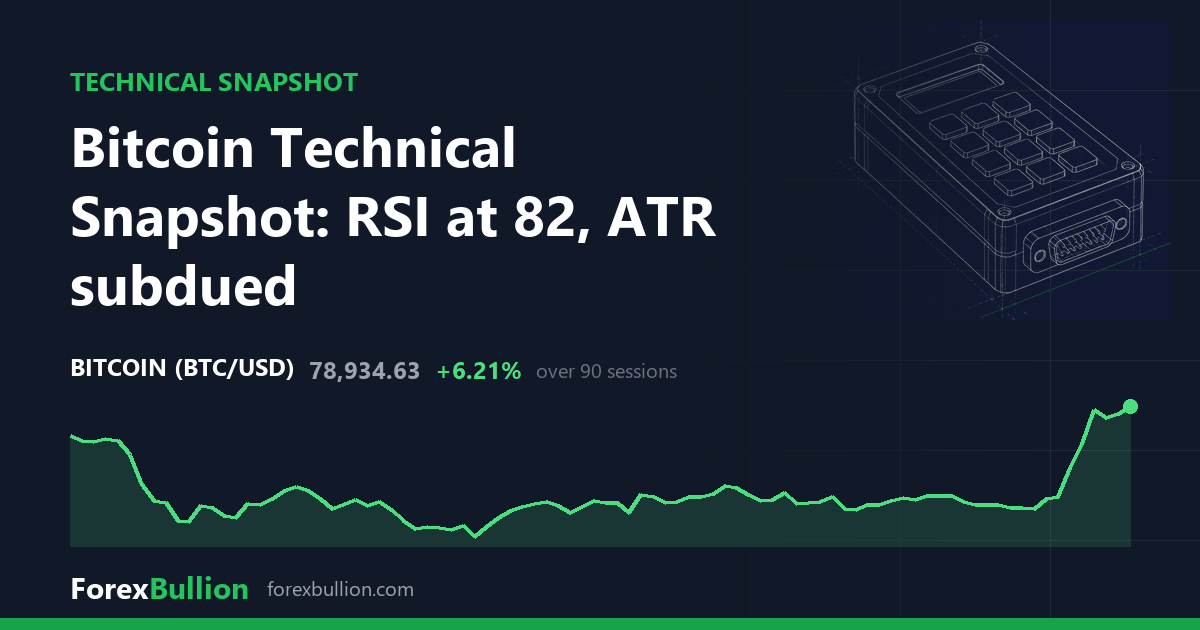
About Bitcoin (BTC/USD)
Bitcoin is the world’s first and largest cryptocurrency, created in 2009 by the pseudonymous Satoshi Nakamoto. It introduced the concept of a decentralized, peer-to-peer digital currency operating on blockchain technology without the need for central authorities or intermediaries. Bitcoin has a fixed maximum supply of 21 million coins, with new bitcoins created through a process called mining at a rate that halves approximately every four years (the “halving”). This built-in scarcity has led proponents to call Bitcoin “digital gold.” BTC/USD represents the price of one Bitcoin in US dollars and is the most actively traded cryptocurrency pair globally. Bitcoin’s market capitalization has grown from zero to frequently exceeding $1 trillion, and its acceptance has expanded from a niche cypherpunk experiment to a mainstream financial asset with spot ETFs approved in major markets, institutional custody solutions, and inclusion in sovereign reserve discussions.
What Moves Bitcoin?
Institutional Adoption and ETF Flows
The approval of spot Bitcoin ETFs in the United States in January 2024 marked a watershed moment, channeling billions of dollars in institutional and retail capital into Bitcoin through traditional brokerage accounts. Daily ETF flow data (inflows and outflows across funds like IBIT, FBTC, GBTC) has become one of the most immediately impactful data points for BTC price. Broader institutional adoption through corporate treasury holdings, pension fund allocations, and sovereign interest also drives long-term demand.
Halving Cycles and Supply Dynamics
Bitcoin’s supply issuance halves approximately every four years, reducing the rate of new supply entering the market. Historically, Bitcoin has experienced significant bull runs in the 12-18 months following each halving (2012, 2016, 2020, 2024). The predictable supply schedule, combined with unpredictable demand shifts, creates Bitcoin’s characteristic boom-and-bust market cycles.
Macro Environment and Risk Sentiment
Bitcoin has developed an increasingly meaningful correlation with risk assets, particularly during periods of macro stress. Federal Reserve policy, inflation expectations, US Dollar strength, and global liquidity conditions influence Bitcoin through institutional portfolio positioning. Lower interest rates and abundant liquidity tend to support Bitcoin, while aggressive monetary tightening creates headwinds.
Regulatory Developments
Government regulation of cryptocurrency across major jurisdictions directly impacts Bitcoin prices. SEC enforcement actions, Congressional legislation, international regulatory frameworks, and tax policy changes can trigger significant volatility. Favorable regulatory developments (ETF approvals, clear legal frameworks) tend to support prices, while restrictive measures create uncertainty and selling pressure.
Trading Bitcoin
Bitcoin trades 24/7/365 across numerous exchanges including Coinbase, Binance, Kraken, and through CME Bitcoin futures, spot ETFs, options, and CFDs. This continuous trading means there are no market closes, gaps, or weekend breaks (though liquidity is thinner during weekends). Bitcoin’s daily volatility typically ranges from 2-5%, with 10%+ moves possible during major events. The cryptocurrency’s extreme liquidity and round-the-clock accessibility make it one of the most actively traded financial instruments globally. Traders should be aware of exchange-specific risks, regulatory uncertainty, and the asset’s historical propensity for sharp drawdowns within broader uptrends.